
Beginnings –
As is the case of any story, there is always a beginning. As I pondered what that point in time would be for this series of posts, the obvious answer came to mind. Start at the beginning….
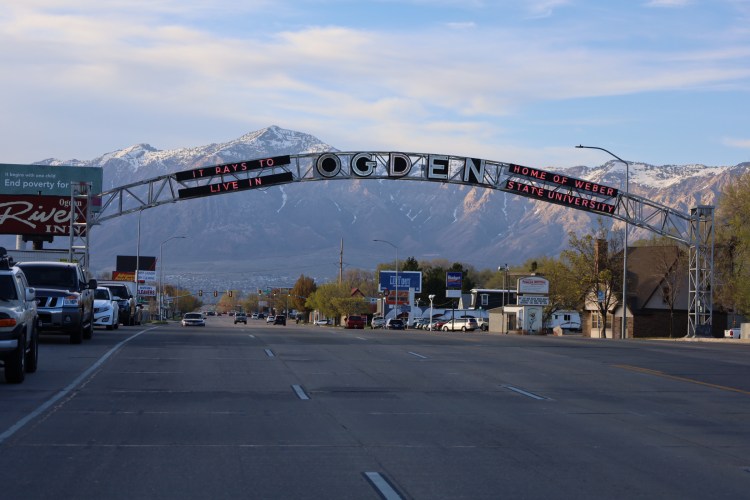
What is currently known as the City of Ogden, Utah started off about 38 to 24 million years ago as large bodies of granite sheets were uplifted by magma, forming the Wasatch Range. This mountain range runs approximately 160 miles from the Utah/Idaho border South into central Utah. It is the Western edge of the Rocky Mountains and Eastern edge of the Great Basin Region. In the language of the native Ute people, Wasatch means “mountain pass” or “low pass over high range”. William Bright, a famous Native American linguist stated the mountains were so named after a Shoshoni leader, Wasattsi, meaning “blue heron”.
Running parallel to the Wasatch Range is the Wasatch Fault Zone (WFZ). It isn’t a single long fault, but rather a series of fault segments and it is estimated there are approximately 10 fault segments within this range. Although earthquakes aren’t common, they are still felt today, with the last significant one occurring on March 18, 2020, which was a 5.7 magnitude earthquake. Having been present and experience that particular earthquake, I will tell you there is nothing as eerie as the feeling of the ground literally rolling under you in waves. And the sound of one of those waves as it hits your house is unlike anything I have ever experienced.
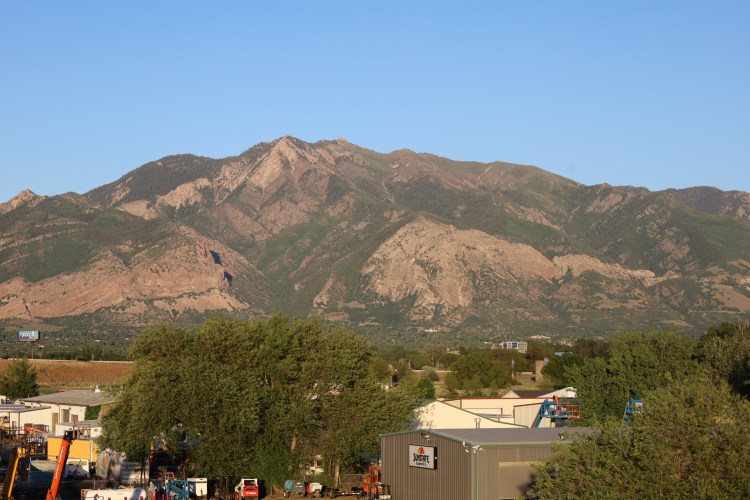
Ogden lays nestled against the Western side of the Wasatch range and stretches out against two peaks. Ben Lomond Peak to the North that has an elevation of 9,716 feet and Mount Ogden to the South at an elevation of 9,579 feet. According to some sources, the Paramount Picture’s logo, known as Majestic Mountain, was modeled after Ben Lomond. It is said that William W. Hodkinson, co-founder of Paramount and a native of the Ogden area, initially drew the image on a napkin during a meeting in 1914. Mount Ogden’s eastern slope is home to Snowbasin Ski Resort, where the 2002 downhill Olympic ski races were held.
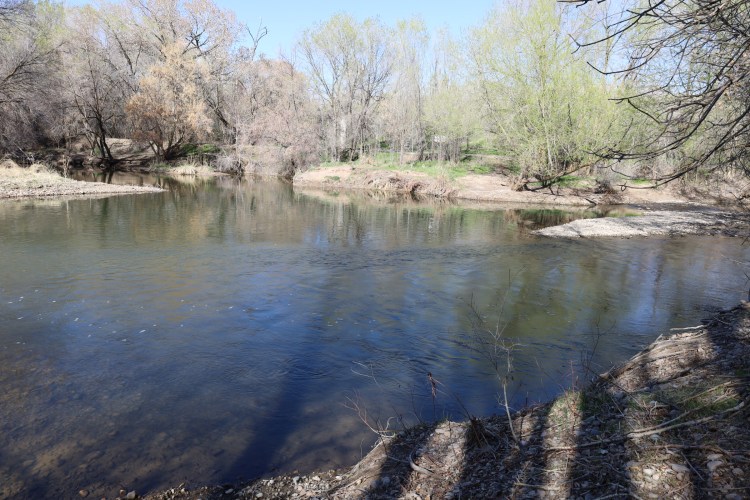
Two rivers flow through canyons located at the North and South ends of Mount Ogden. The Ogden River to the North and the Weber River to the South. They proceed through the canyons, into the City of Ogden and continue unto the flat lands where they meet together and the conjoined river is called the Weber River. It continues a Westward flow as it meanders through farmland on its journey into the Great Salt Lake.
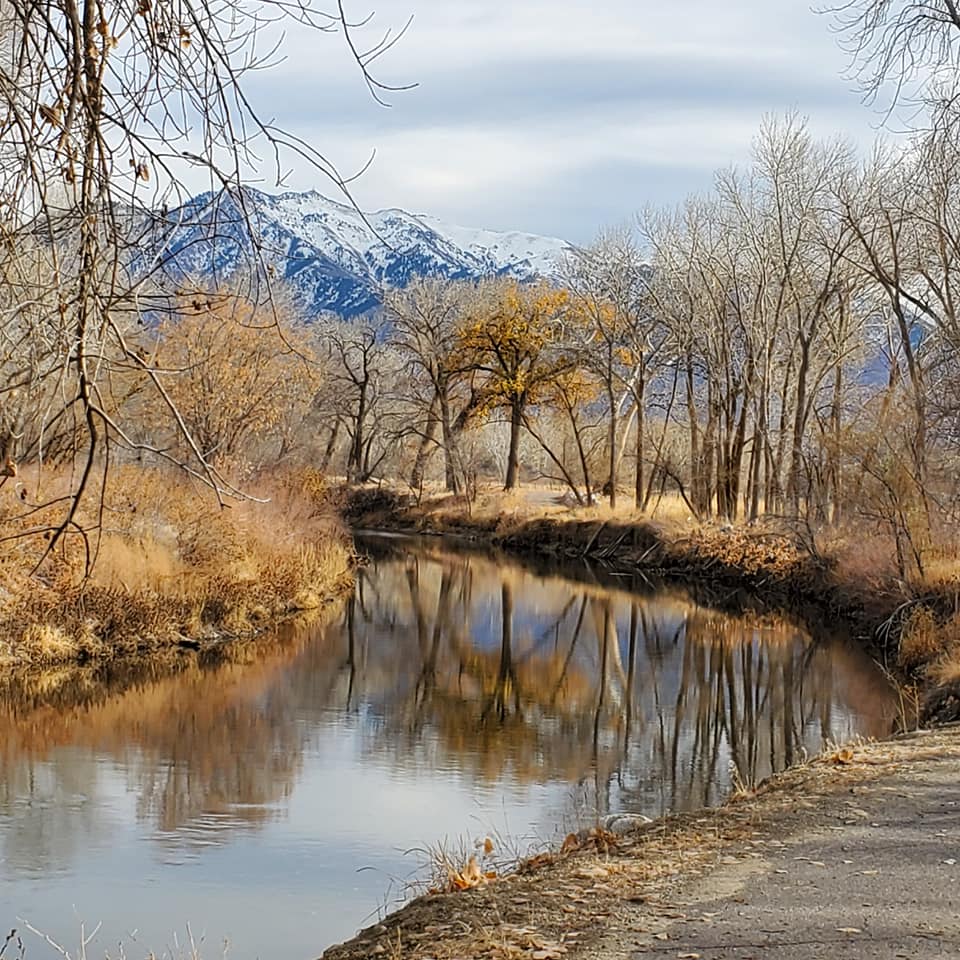
The City of Ogden has developed an impressive hiking/biking river trail system along both the Weber and Ogden Rivers, encompassing almost 40 miles of scenic riverside paths. As I walk along this trail system, I can envision how the Native Americans must have camped along these rivers.
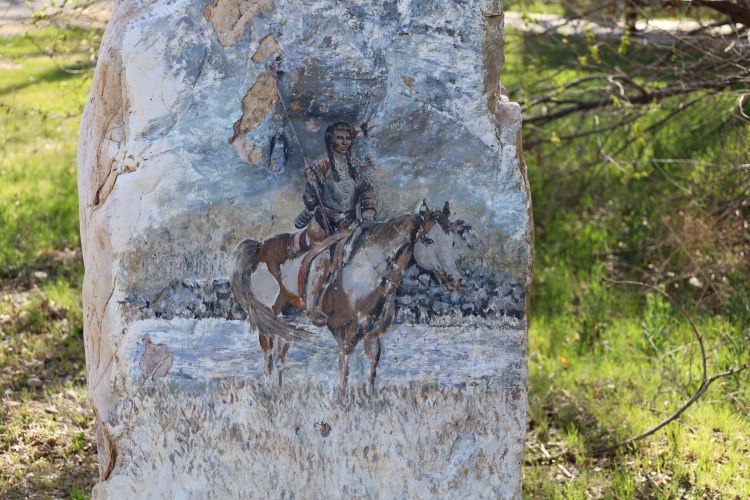
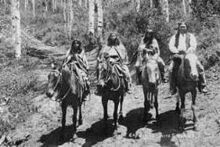
There are five native American tribes that were known to live within the State of Utah. Utes (whom the State is named after), Paiutes, Goshutes, Navajo and Shoshone tribes occupied various regions within Utah. Prior to the advancement of the white population, it is estimated that approximately 20,000 Native Americans were living in Utah.
Shoshone
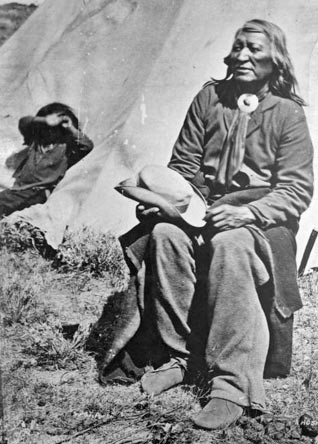
Taken by William Henry Jackson
The Shoshone people were native through Wyoming, Idaho and Northern Utah. The name Shoshone means “high growing grasses” they are sometimes referred to as the “Grass House People.” The Shoshone people are native to the Great Basin area and were the primary tribe that inhabited the Ogden area. The Shoshone people were very mobile and skilled at hunting and gathering, and with each change of the season they migrated to obtain the food and other resources they depended on to survive. In the early autumn, the Northwestern Shoshones moved into the region near what is now Salmon, Idaho, to fish. After fishing was over, they moved into western Wyoming to hunt buffalo, elk, deer, moose, and antelope. They sun-dried the meat for winter and used the hides as clothing and shelter. In the spring and summer, the Northwestern Shoshones traveled around southern Idaho and throughout Utah. Based on these migration patterns, experts have claimed that the Northwestern Shoshones were among the most ecologically efficient and well-adapted Indians of the American West.
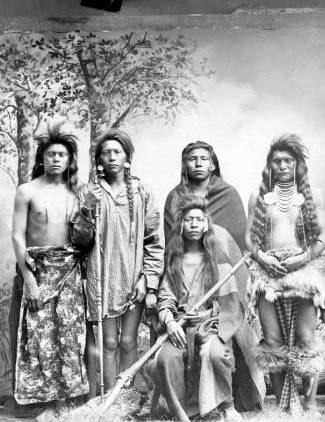
As women gathered seeds using willow baskets and hitting sticks, they talked and sang. Hunters might drive deer or antelope into sagebrush corrals or drive large animals like bison over cliffs to kill them. They also killed small animals like squirrels and birds including ducks and grouse.
Shoshone artists are famous for their beautiful beadwork, woven baskets, art and paintings, including those on tanned hides. The northwestern Shoshone were mistaken for Ute Indians when white settlers arrived in Utah for the first time. Before white people showed up, the Shoshone lived and traveled in bands with their extended families consisting of aunt, uncles, cousins, grandparents and more.
Arrival of Fur Trappers and Traders.
Beginning as early as 1790’s Americans and Europeans were making their way into Utah in search of beaver to meet the high demands. For approximately 85 years fur trappers and traders would pass through Wyoming, Idaho and Utah trapping beaver. Men such as Jedediah Smith and Jim Bridger were among the first. They were followed by others such as Peter Skene Ogden, Miles Goodyear and Etienne Provost and numerous others. Relations between trappers and Natives varied as some were friendly and some were hostile. Over time, trappers and traders learned to communicate better with the Natives. First through sign language and later by learning to speak the native tongues and intermarriage with the Native women.
Trappers began meeting yearly to exchange information and more. Thus was born the legendary rendezvous, where mountain men gathered annually to trade furs for supplies and to eat, drink, and tell stories and demonstrate their skills.
The Anglo-American Convention of 1818 defined the 49th parallel as the boundary between British and American holdings only as far west as the Continental Divide. Therefore, the entire Oregon country was left open for joint occupation with the hope that a division would be possible after a period originally intended to last ten years. Nationals of both countries enjoyed unrestricted access to the area south of Russian-owned Alaska, and both countries made efforts to maintain control over the area.
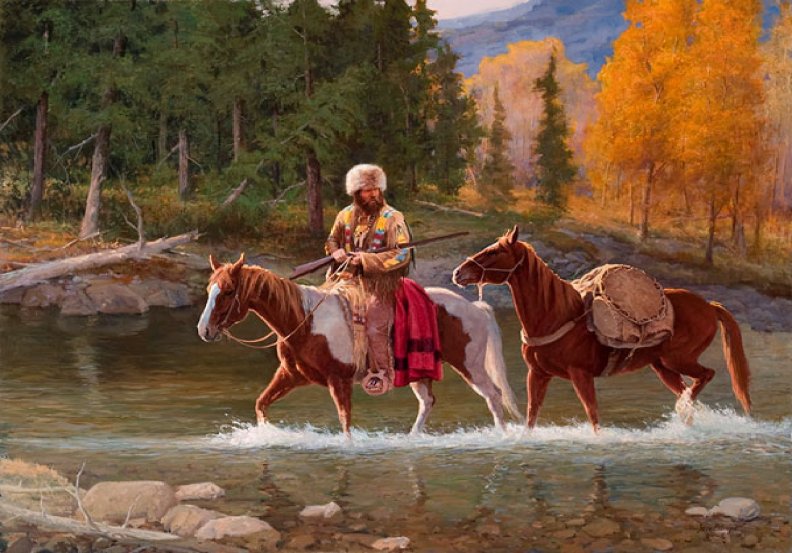
In 1821 the British government forced a merger of the Northwest Fur Company with the Hudson’s Bay Company with the idea that the latter would be better able to handle the task of maintaining British interests in the Northwest. Governor George Simpson of the Hudson’s Bay Company, alarmed by the presence of Americans in the Oregon country, issued orders for the Snake River trapping brigades to deplete the supply of beaver in the Snake River region, on the mistaken assumption that the single attraction of the region to the Americans was the lure of the beaver. This British policy remained unchanged during the fur trade era. Rather than carefully conserving the supply of beaver, the British “scorched stream” policy mandated the creation of a “fur desert” in an area including northern Utah.
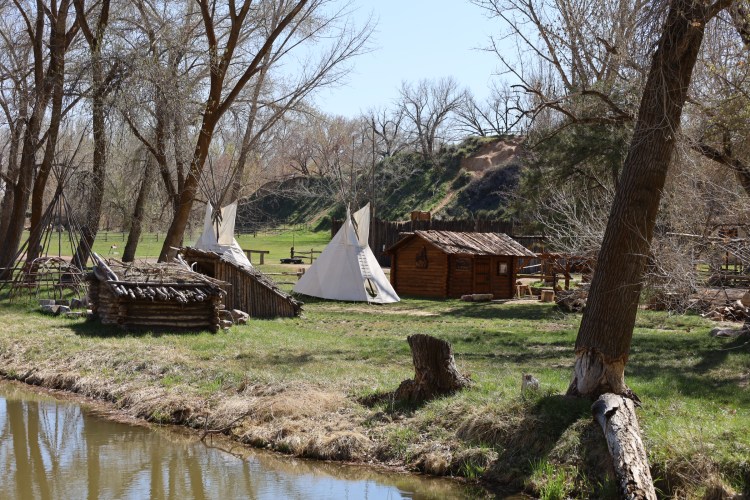
Miles Goodyear was a mountain man during the last years of the fur trade. Goodyear was born in Hamden, Connecticut on February 24, 1817, and was orphaned at the age of four. After serving much of his youth as a “Bound Boy,” or an indentured servant, he was determined to travel west to seek his fortune. In 1836, when he was nineteen, he joined the Whitman-Spaulding missionary party traveling west on the Oregon Trail from Independence, Missouri.
For the next decade, Miles Goodyear trapped, traded, and was by all accounts a successful mountain man. By 1839 he had married Pomona, daughter of the Ute Chief Pe-teet-neet, and by 1842 they had two children, William Miles and Mary Eliza. Goodyear ranged widely across the Rocky Mountains, trapping, trading, and visiting various gatherings of mountain men and Indians, including the rendezvous of 1843. In a letter sent to his brother in 1842, Goodyear wrote that he had not yet made his fortune but did have “property, horses, beaver, and $2,500.”
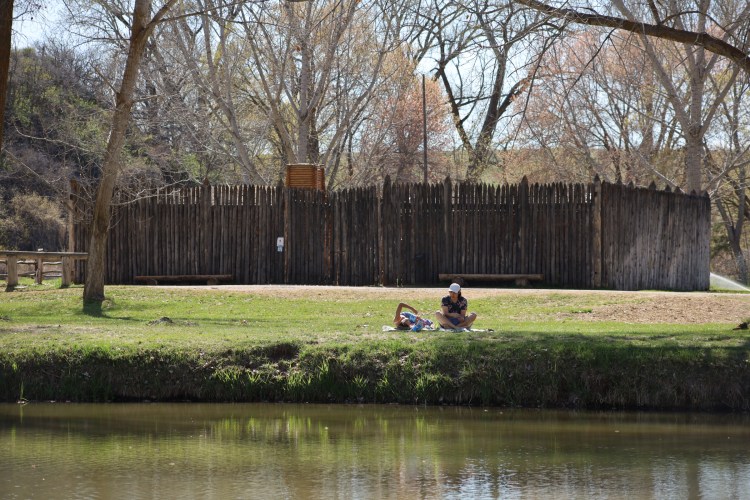
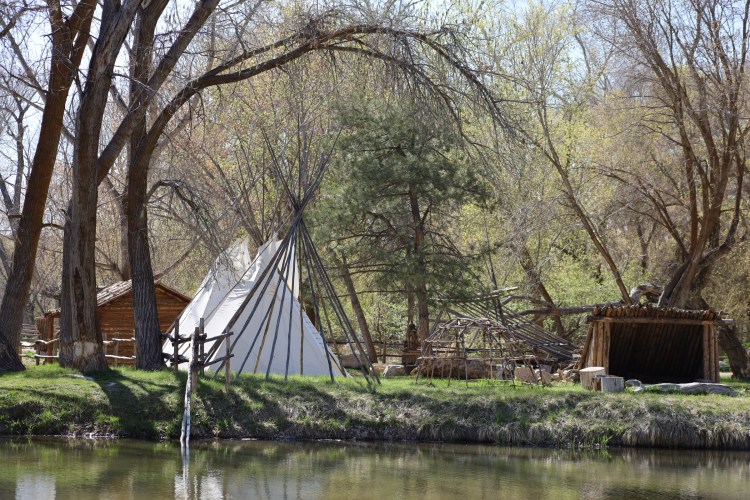
As the fur trades declined and way stations such as Fort Bridger began to spring up on the overland trails, Goodyear decided to build an enclosed trading fort on the large westward bend of the Weber River, approximately two miles south of its confluence with the Ogden River, which he named Fort Buenaventura (Good Venture). The stockade was constructed with cottonwood logs set upright in the ground that enclosed about one-half acre of land adjacent to the river. It was begun in 1845 and completed by the end of 1846. Four log cabins occupied the corners of the fort, and sheds, corrals, and a garden were also located within the enclosure. Additional corrals were located on the outside to accommodate cattle, horses, goats, and sheep. The garden was watered by river water carried by bucket to the beans, carrots, cabbages, radishes, and corn. Because of the fur trading industry’s decline, Miles Goodyear switched to trading horses as a source of income.
In July 1847, Goodyear visited with the first Mormon company traveling west on the Bear River west of Fort Bridger, and he tried to entice them to settle on the Weber River. He was successful, but in November 1847, James Brown was authorized by the Mormon High Council of Great Salt Lake City to purchase Fort Buenaventura. Brown and Goodyear agreed on a price of $1,950, and the fort, the outbuildings, and all of the animals except Goodyear’s horses became Mormon property. The settlement was soon called Brownsville.
Today Fort Buenaventura is designated as a County historic site in Ogden that tourists can visit to get a feel for what life was like in the 1840’s. There is a yearly Mountain Man Rendezvous held to honor the past traditions of those brave individuals who explored the vast wilderness of the Rocky Mountains, complete with foods, drinks, games and trading of today’s currency for replica gifts of the time.
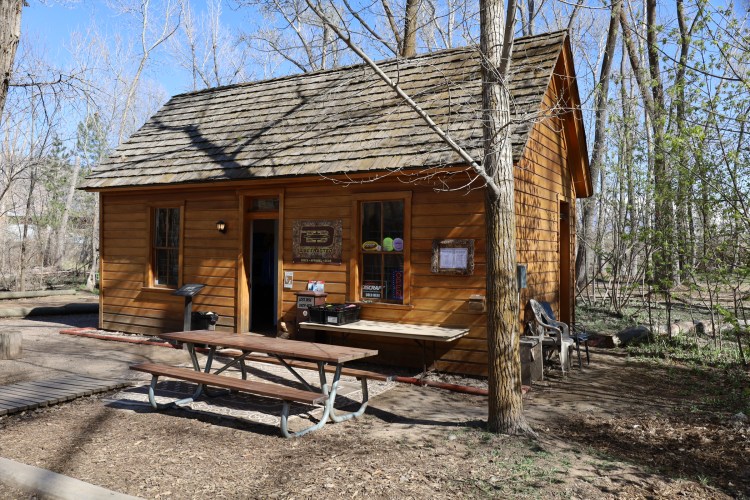
Fort Buenaventura is also home to a POGA Professional Disc Golf World Championship held each June. There is a cabin shop set up on the grounds of the Fort named Disctracted, which is a Disc Golf Pro Shop and Supply, where you can purchase a pass or supplies to participate in the sport.

One of the best-known trappers was Peter Skene Ogden who visited the area in 1826 as a brigade leader for the Hudson Bay Company. Ogden traded in this area for several years near North Ogden. Later, the river, valley, canyon and city were named after him.
Morman pioneers entered the Salt Lake Valley on July 24, 1847. This day is now a holiday celebrated in Utah, known as Pioneer Day. However, when the Mormon Pioneers arrived, they did not happen onto an empty landscape. It is estimated that around 20,000 Native Americans already inhabited the land now encompassed by the boundaries of Utah. The first few years of settlement, the relations were generally peaceful and some trading occurred. The settlers changed the Utah landscape by raising cattle, farming, and irrigation. As the pioneers would settle the land beyond the Salt Lake Valley, the Native Americans became more displaced and tensions started to arise. Wagon trains on their way to Oregon drove livestock across Shoshone lands, making the traditional food sources scare. Some Shoshone started to attack wagon trains and steal cattle from settlers. Others tried to live peacefully and even converted to the Mormon religion.
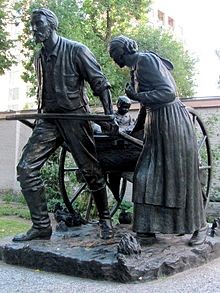
The arrival of the members of the LDS Church in 1847 brought added pressure. The Mormons initially settled in the Salt Lake Valley but quickly spread into the Weber and Cache Valleys, entering Shoshone lands and competing for vital resources. Conflict between the Shoshones and white settlers and emigrants became a serious problem in the late 1850s and early 1860s. Responding to the destruction of game and grass cover and the unprovoked murder of Indians, Shoshone leaders like Chief Pocatello retaliated with raids on emigrant trains. After the discovery of gold in Montana in 1862, more and more whites traveled over Shoshone land. In response to incidents of violence committed by the travelers, some Shoshones, including a group led by Chief Bear Hunter of the Cache Valley, began to raid wagon trains and cattle herds.
Shooting of Shoshone Chief Terikee
Native American relations continued to decline and in 1850 a beloved Chief of the Shoshone tribe was killed in the Ogden area. There are conflicting accounts as to what happened. The Chief was known for being “amiable, wise and strong” and a friend to early settlers of the area. On September 16, 1850, Terikee was shot and the details are still disputed. Some say that Urban Stewart, who shot him heard a rustling in his corn and thought it was an animal. Others say that Terikee was stealing corn or that he was shot out of spite. A historical narrative says Urban Stewart saw something moving in his corn and fired his gun. Another story explains that Terikee’s horse got away from him, went into the cornfield, and that Terikee was seeking to retrieve his horse when he was shot. Regardless of the truth, this story exemplifies the difficulties in the relationship between the settlers and the Native American relations.
The Bear River Massacre
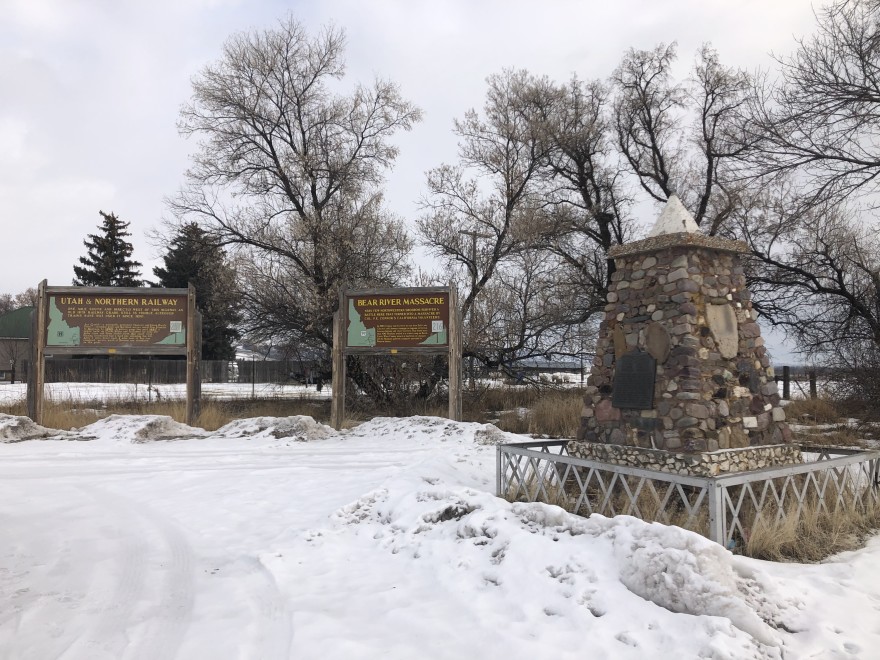
The conflicts got worse until violence erupted on January 29, 1863 when Colonel Patrick Edward Connor and about two-hundred army volunteers from Camp Douglas in Salt Lake City attacked Bear Hunter’s people who were mostly peaceful Shoshones. A group of 450 Shoshone men, women, and children were camped on the Battle Creek, twelve miles from Franklin, Washington Territory (now Idaho). In the early hours of the morning, Connor and his men surrounded the Shoshones and began a four-hour assault on the virtually defenseless group. Some 350 Shoshones were slaughtered by the troops, including many women and children. This was one of the most violent and shameful events in Utah’s history and the largest Indian massacre in U.S. history.
Once the 1870s began, federal policy on Native American relations began to be enacted in a more organized manner, which created less personal disputes among the Natives and the settlers. This was the start of a period of around 100 years with many different policies and practices regarding the Native Americans in Utah and across the country.
I hope you’ve enjoyed reading my Walk Through Time about Ogden, the area I now call home. My next article under Ogden: City of Diversity will be entitled East Meets West as I explore the epic achievement and greatest technological achievement of its time at the completion of the transcontinental railroad.
 Life is an Adventure